Southern Somalia (Jubbaland) and Northern Kenya +252 61 500 099 Knowledge, Leadership, Progress

Frequently asked questions

Answers to the questions we hear most.

About Better Tomorrow Centre, each of our five programmes, how to get involved and how to reach us. If you cannot find what you need, just ask.

Jump to a topic

Topic 1 of 8

About BTC

BTC is a learning and community development institution, established by professionals as a non-partisan, non-affiliated, community oriented learning and development centre. It is independent, with offices in Baled-Hawa (Jubbaland, Somalia) and Nairobi (Kenya), and works in Southern Somalia (Jubbaland) and Northern Kenya. The Centre runs five programmes: public libraries, digital skills and TVET, academic excellence, capacity building, and research and partnerships.

No. The Centre is a learning and community development institution and is a non-partisan, non-affiliated, community oriented learning and development centre. It works together with stakeholders, government organisations and local government where this helps communities.

No. The Centre supports them. It works with government organisations, local government, local authorities and public institutions to strengthen services that already exist, such as public libraries, and it brings community evidence to the people who make decisions.

The Centre has two offices: one in Baled-Hawa, Gedo Region, Jubbaland, Somalia, and one on the 14th Floor, Bruce House, Standard Street, Nairobi. It delivers programmes in Southern Somalia (Jubbaland) and Northern Kenya, and works with partners across the Wider East Africa region.

Stakeholders, government organisations, local government and authorities, professionals, schools, colleges and universities, community groups, civil society organisations, development partners and businesses.

No. The Centre does not take sides in party politics. Its dialogue forums and policy discussions are open to different views and kept respectful.

Young people, students, job seekers, educators, community organisations, public institutions and partners. Each programme page lists exactly who it is for.

It is the Centre's name for a public library that does more than lend books: a place for reading, learning, civic education and open community conversation.

Use the contact page to tell us who you are and what you have in mind. You can also call or email us directly.

Topic 2 of 8

BTC-Public Libraries Network (BPLN)

It is a public library that does much more than lend books. Children learn to read there, adults join classes, neighbours discuss local issues and people learn how public institutions work.

No. The Centre does not take sides in party politics. The forums are open spaces where residents, leaders and young people can talk through local questions and hear different views respectfully.

Everyone. A public library belongs to the whole community, and BPLN focuses on making libraries open and useful to children, young people, adults and local institutions alike.

Write to us through the contact page and tell us about your library and what you hope to achieve. We will talk through how BPLN could support it.

Activities are shaped around what people in each community want and need, so they differ from one library to the next.

Community leaders are among the people BPLN works with, and local help is always valuable. Contact us to talk about how you could contribute.

Topic 3 of 8

TVET - Digital Skills

TVET stands for Technical and Vocational Education and Training. It is practical, hands-on learning that prepares people for a trade, a job or self-employment.

No. Most learners begin with digital literacy and basic computer use, then move on to a specific skill when they are ready.

Pick the area that fits your interests and what the local market asks for. If you are unsure, tell us about yourself through the contact page and we will help you think it through.

Online work is one of the pathways the programme covers. Learners are shown how to find and do work online, so where they live is less of a limit on what they can earn.

Contact us, say which skill you are interested in, and we will explain the next step.

Digital literacy and computer applications, digital marketing, social media and website management, data entry and database management, graphic design, photography, entrepreneurship and innovation, and online work opportunities.

Young people are a main focus, but job seekers, students, small business owners and anyone interested in working online can take part.

Topic 4 of 8

BTC Academic Programmes

Students can join the competitions, forums and mentoring. Teachers, schools, parents and mentors are part of the programme too.

Students research a topic, build an argument and defend it in front of judges and an audience.

Yes. The Centre welcomes mentors who are willing to guide a student and help them plan their studies. Contact us to talk about how you could help.

Get in touch through the contact page and we will share the current information for each competition and award.

Stronger speaking, reasoning and research skills, more confidence and higher goals.

Teachers and schools are part of the programme. Contact us to talk about taking part.

Topic 5 of 8

Capacity Building & Institutional Development

Community-based organisations, library teams, youth groups and associations, emerging leaders, and individuals who want to build professional skills.

No. Support is matched to the work each team does, and it starts with understanding what the organisation does and where it needs help.

The aim is more than a single session. The Centre trains, coaches the team as they put it into practice, and follows up to see what is working.

Training, leadership development, organisational strengthening, project management, and performance and sustainability.

Yes. Support is designed for teams such as library staff and youth groups as well as for individuals, and is matched to the work they do.

Describe your organisation and where you want to improve in a message through the contact page, and we will discuss the next step.

Topic 6 of 8

Research & Policy Consultation

Community research that studies local needs and conditions, so programmes and policies are built on real information.

The people affected by an issue and the people responsible for it, so each hears from the other.

Send us a short note through the contact page describing what you would like to achieve, who it would serve and what you can bring. We will take it from there.

Yes. BTC is an independent learning and community development institution, which is non-partisan, non-affiliated, community oriented learning and development centre.

Decision makers, community members and partners, so that local evidence and community views reach the table.

Yes. Educational institutions are one of the partner groups BTC works with, alongside local government, professionals and civil society.

Topic 7 of 8

Getting involved

Yes. Mentors, trainers, judges and speakers all help learners go further. Tell us what you can offer through the contact page.

Yes. The private sector is one of the partner groups BTC works with, offering jobs, skills and resources.

Stakeholders, government organisations, local government and authorities, educational institutions, civil society organisations, development partners and the private sector. The Centre also works with individual professionals as trainers, mentors and researchers.

Send a short note through the contact page describing what you would like to achieve, who it would serve and what you can bring.

No. The Centre is independent and does not take sides in party politics.

Topic 8 of 8

Contact and visiting

No. You can call or email us directly using the details on this page.

When you press send, your email app opens with the message already written and addressed to us. Review it and send it from there.

The Centre has two offices: one in Baled-Hawa, Gedo Region, Jubbaland, Somalia, and one on the 14th Floor, Bruce House, Standard Street, Nairobi. Programmes are delivered in Southern Somalia (Jubbaland) and Northern Kenya. Please get in touch first so the team can tell you who to meet and when.

That is fine. Tell us what you are hoping to do and we will point you to the right one.

In pictures

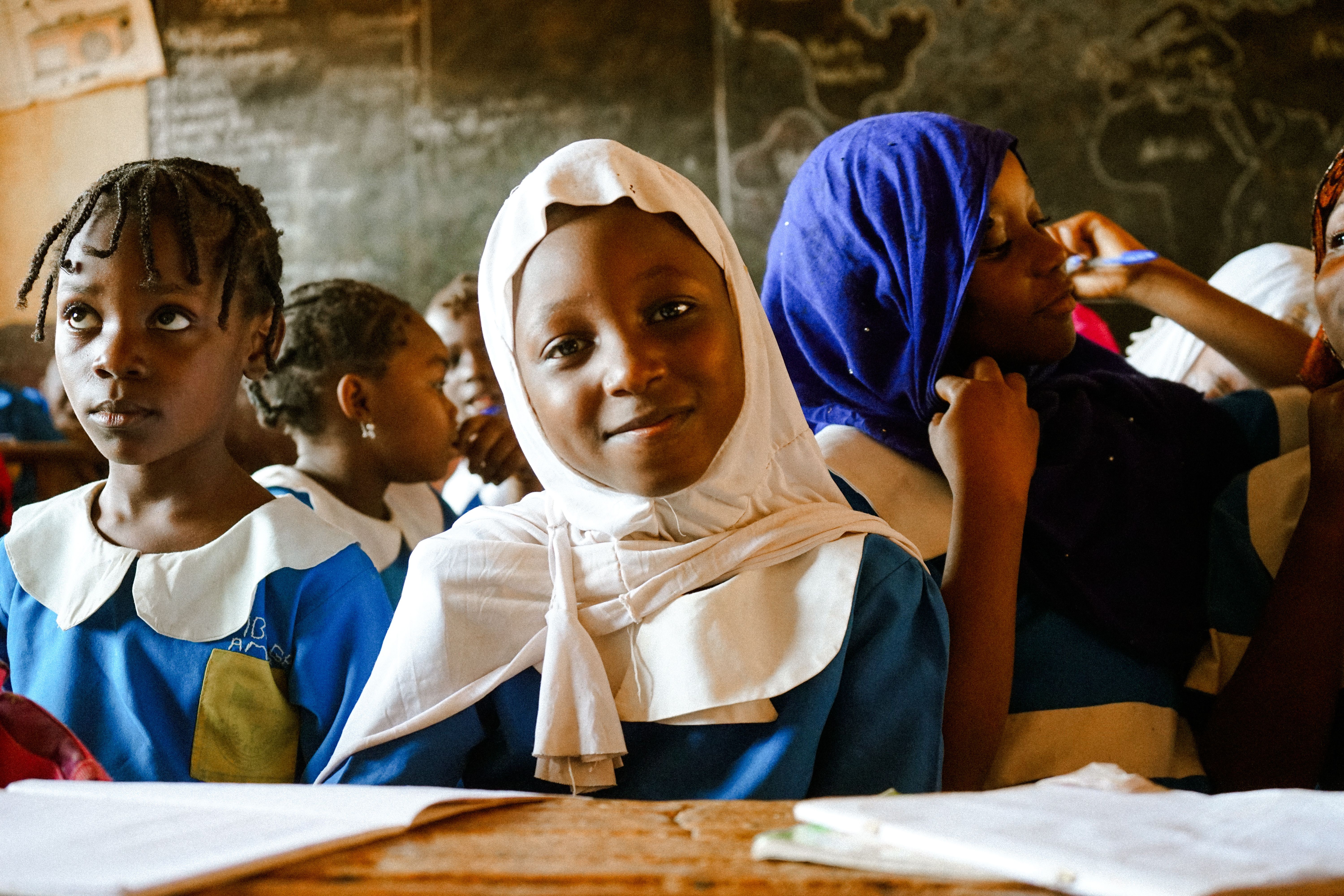
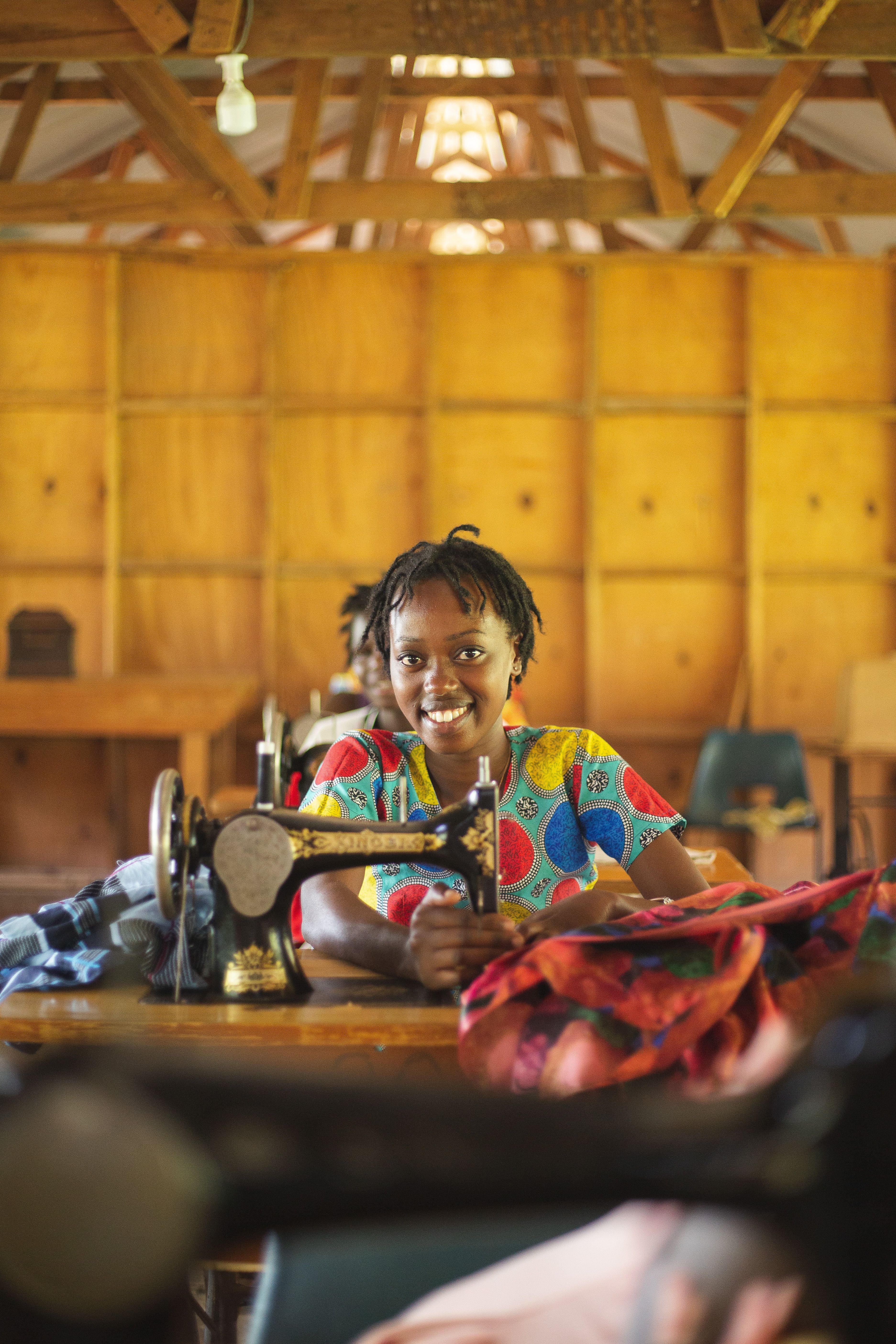
Life at the Centre

Still have a question?

Write to us or call the team. We are happy to explain anything about the Centre or its programmes.